

Smart Cities: AI-Driven Urban Transformation

As urban populations surge, cities around the globe are embracing Artificial Intelligence to become more efficient, sustainable, and livable. From managing traffic to optimizing energy use, AI is enabling a new era of intelligent urban development — shaping the cities of tomorrow, today.
The Role of AI in Smart Infrastructure
Modern cities rely on complex networks — power grids, transportation systems, and communication channels. AI helps integrate these systems to operate more efficiently. Machine learning algorithms analyze data from sensors and IoT devices to optimize city operations in real time, reducing waste and improving service delivery.
For instance, smart grids use predictive analytics to balance energy supply and demand, reducing blackouts and enhancing sustainability. Cities like Singapore and Barcelona are leading examples of how AI transforms urban management through data-driven decision-making.
Smarter Mobility and Transportation
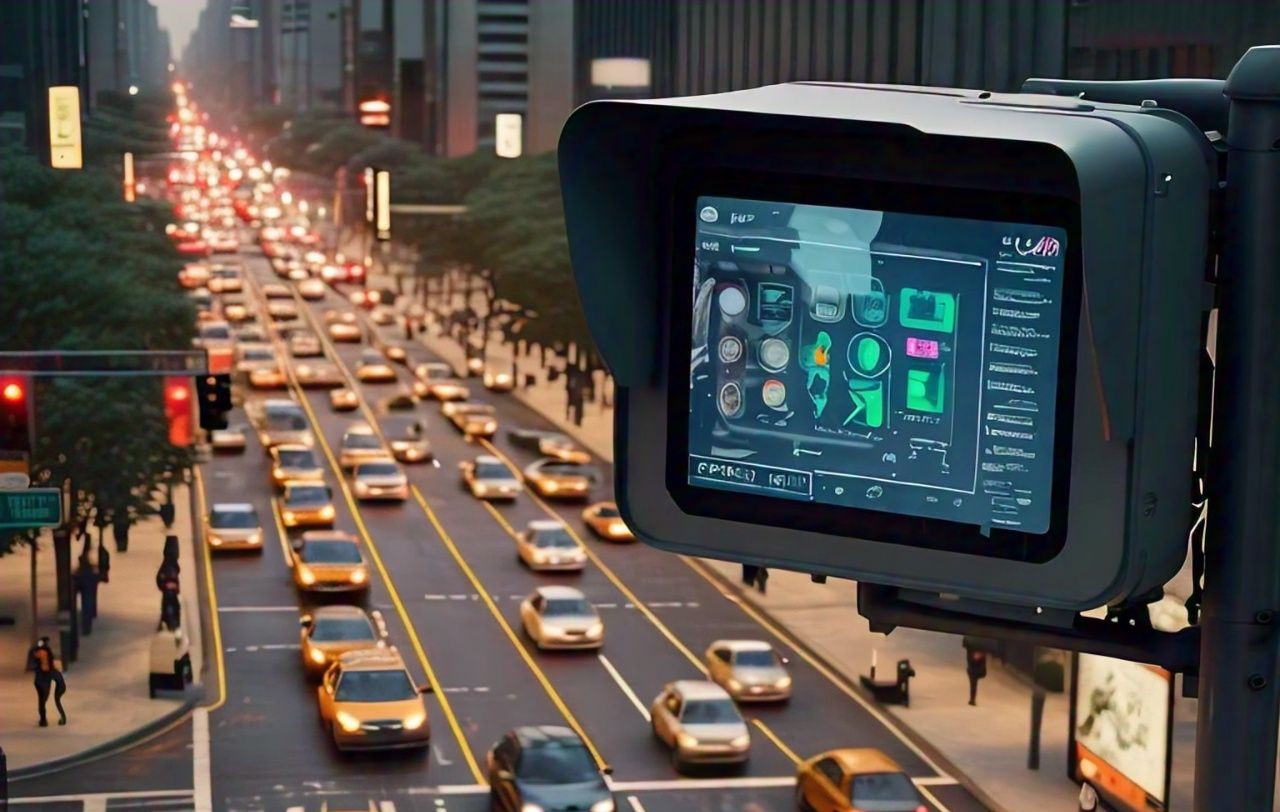
AI is revolutionizing how people move within cities. Intelligent traffic management systems analyze live data from cameras and sensors to optimize signal timings, minimizing congestion and emissions. Ride-sharing platforms like Uber and Lyft rely on AI to match drivers with passengers, calculate optimal routes, and predict demand.
Autonomous vehicles, though still emerging, promise safer and more efficient commuting. Self-driving buses and delivery drones are being tested in several urban areas, paving the way for reduced human error and improved logistics.
AI and Environmental Sustainability
AI plays a critical role in building greener cities. Urban planners use predictive modeling to design energy-efficient buildings and manage renewable resources effectively. Sensors collect air quality data, while AI models predict pollution patterns and help enforce cleaner practices.
Waste management has also seen innovation — AI-enabled robots and sorting systems are improving recycling rates by accurately identifying materials. Water conservation systems powered by AI detect leaks in real-time, preventing loss and ensuring efficient use of resources.
Public Safety and Smart Governance
AI is making cities safer through predictive policing and surveillance systems that detect unusual activities or crowd behavior. Smart emergency response systems use real-time analytics to route help faster and more efficiently. Additionally, AI chatbots are being integrated into city portals, allowing citizens to access services, file reports, or receive alerts instantly.

Governments are leveraging AI to enhance transparency, automate administrative workflows, and improve citizen engagement. By analyzing feedback and service data, cities can better understand and address public needs.
Challenges Ahead
Despite the benefits, AI-driven cities face challenges such as data privacy, cybersecurity risks, and algorithmic bias. Ensuring equitable access to smart city technologies and protecting personal information will be crucial to earning citizen trust.
Moreover, the digital divide remains a pressing issue. Cities must ensure that AI innovations serve all residents — not just the tech-savvy or affluent — to foster true inclusivity.
The Future of Urban Living
The future city will be a blend of technology and humanity — where AI systems anticipate needs, automate routine tasks, and empower citizens to live healthier, safer, and more connected lives. With responsible innovation and strong governance, AI has the potential to make urban living more sustainable and fulfilling for generations to come.
← Back to Blog