
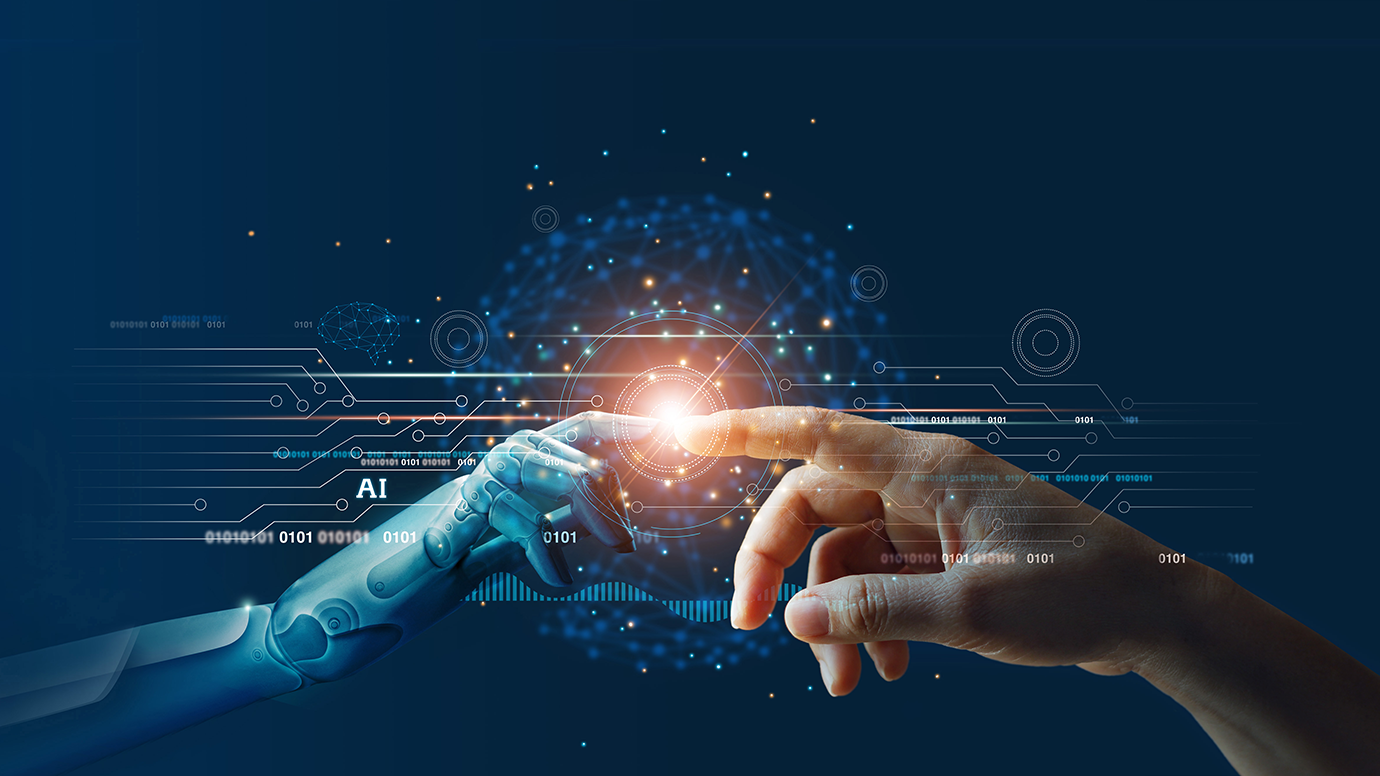
Redefining Work in the Age of Artificial Intelligence

Artificial Intelligence is reshaping the very foundation of how we work. Once viewed as a job destroyer, AI is now emerging as a collaborator — one that amplifies human potential, automates routine tasks, and enables a new era of innovation and productivity. As organizations adapt to this technological revolution, the definition of “work” itself is evolving.
The Shift from Automation to Augmentation
For years, the narrative around AI and employment focused on automation — the fear that machines would replace humans. While automation does eliminate certain repetitive tasks, it also augments human intelligence. AI is now being used to support professionals across industries — from automating financial reports and legal research to enhancing creativity and decision-making in marketing and design.
In this hybrid future, humans focus on empathy, creativity, and strategy — while AI handles data processing and pattern recognition. Together, they form an intelligent partnership that drives efficiency and innovation.

New Opportunities and Skill Evolution
AI isn’t just transforming jobs — it’s creating new ones. Roles such as AI ethicists, data curators, machine learning operations (MLOps) specialists, and prompt engineers didn’t exist a decade ago. As businesses integrate AI tools, demand for professionals who can interpret, implement, and manage AI systems is skyrocketing.
Reskilling and upskilling are now central to workforce development. Governments, companies, and educational institutions are investing heavily in digital literacy programs to ensure workers can thrive in AI-powered environments.
The Hybrid Workplace
The rise of AI coincides with a major cultural shift toward hybrid and remote work models. Intelligent automation tools now enable employees to collaborate across time zones, manage projects more efficiently, and maintain productivity without the constraints of physical offices. Platforms powered by AI — such as intelligent assistants, automated scheduling systems, and virtual collaboration tools — are redefining workplace flexibility.
In the hybrid workspace, AI acts as both an organizer and facilitator, ensuring teams stay connected, informed, and aligned with business goals.

Challenges and Ethical Considerations
While AI presents vast opportunities, it also introduces significant challenges. The most pressing include workforce displacement, bias in algorithms, and the growing gap between digital and non-digital workers. Ethical frameworks and inclusive policies are crucial to ensure that the benefits of AI are distributed fairly across all sectors of society.
Transparency and accountability are key. Organizations must be clear about how AI systems make decisions that affect hiring, promotion, or compensation to maintain trust and fairness in the workplace.
The Future: Human-Centric AI
The future of work is not about humans versus machines — it’s about humans empowered by machines. Companies that embrace human-centered AI are discovering that technology, when aligned with empathy and purpose, leads to happier employees, higher productivity, and greater innovation.
As AI continues to evolve, so must our approach to work. By embracing continuous learning, ethical responsibility, and collaboration between humans and technology, we can shape a future where work is not only smarter — but also more meaningful.
← Back to Blog