
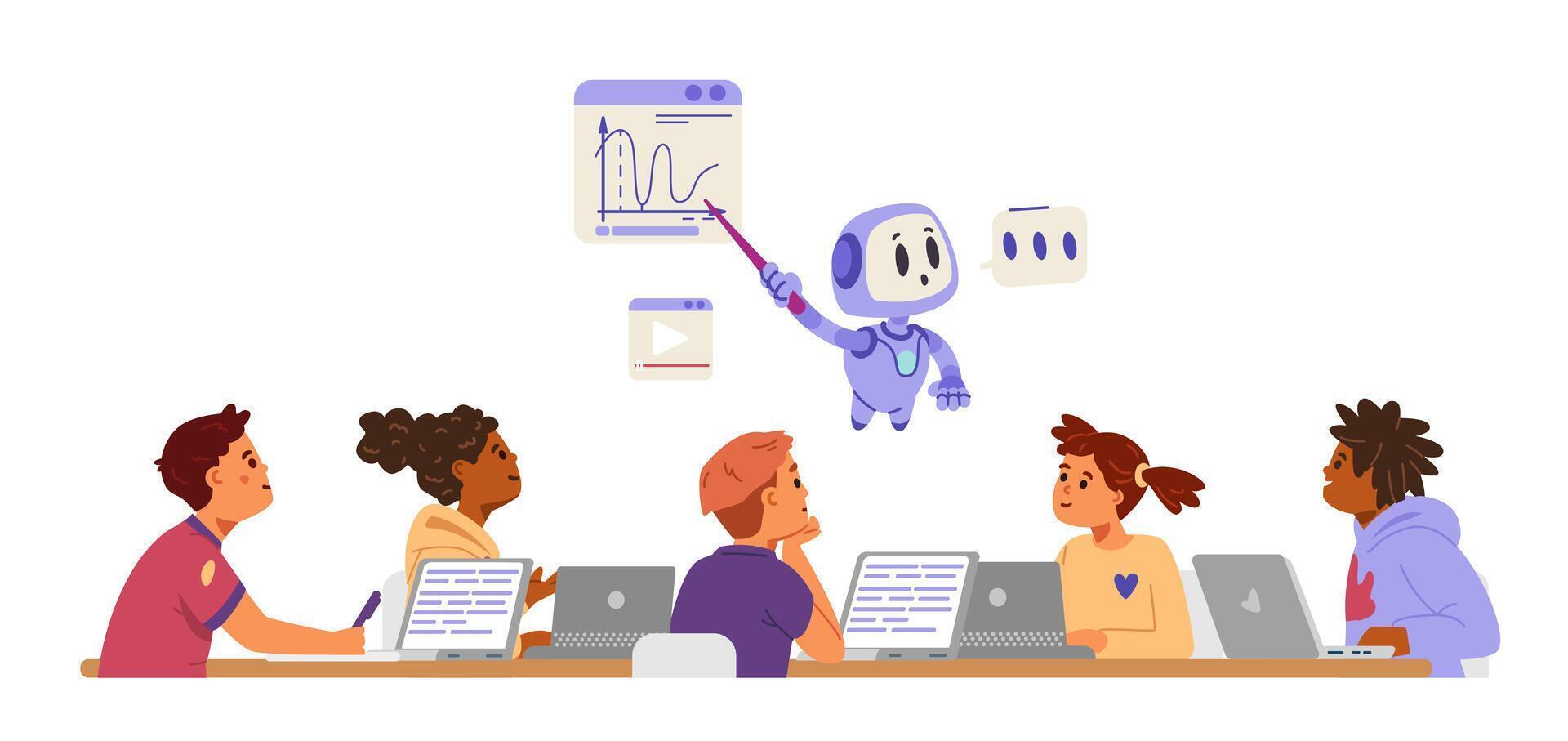
How AI is Personalizing the Future of Learning

Education is undergoing a radical transformation, and Artificial Intelligence (AI) is at the heart of it. From adaptive learning platforms to intelligent tutoring systems, AI is reshaping how students learn and how teachers teach. The classroom of tomorrow is personalized, data-driven, and accessible to all — regardless of geography or background.
Personalized Learning Paths
One of AI’s greatest contributions to education is its ability to personalize learning experiences. Adaptive learning systems use algorithms to analyze student performance in real time, adjusting lesson difficulty, pacing, and style to match each learner’s needs.
Platforms like Duolingo, Khan Academy, and DreamBox use AI to recommend exercises that challenge but don’t overwhelm students. This ensures that every learner progresses at their own optimal pace, boosting engagement and retention.
Intelligent Tutoring Systems (ITS)
AI-powered tutoring systems can replicate many aspects of one-on-one human tutoring. They assess student responses, provide instant feedback, and guide learners through problem-solving steps. Some even detect frustration or confusion through sentiment analysis, adapting their tone and pace accordingly.

For example, Carnegie Learning’s MATHia uses AI to deliver personalized math instruction, identifying misconceptions and helping students correct them before they become long-term knowledge gaps.
AI for Teachers and Institutions
AI isn’t just for students — it’s transforming how educators and schools operate. Automated grading systems can evaluate essays and quizzes faster and more accurately than humans in many cases, freeing teachers to focus on mentorship rather than paperwork.
Data analytics tools give educators deep insights into student progress, helping them identify at-risk learners early. Universities are also using predictive analytics to improve graduation rates and tailor academic advising.
Bridging Accessibility Gaps
AI-driven assistive technologies are empowering students with disabilities like never before. Text-to-speech, speech-to-text, and real-time translation systems break down barriers for learners with visual, auditory, or linguistic challenges. These innovations are helping build a more inclusive and equitable education system worldwide.
Challenges and Ethical Considerations
As with any technology, AI in education comes with ethical challenges. Data privacy, algorithmic bias, and the digital divide are major concerns. Schools must ensure that AI systems protect student data and that automation doesn’t reinforce existing inequalities.
Moreover, while AI can deliver knowledge efficiently, it must not replace the empathy, motivation, and creativity that human teachers provide. The best classrooms of the future will combine the precision of AI with the compassion of educators.

The Future of Learning
In the coming years, AI will power immersive virtual classrooms, adaptive textbooks, and global learning communities. Students will learn through real-world simulations, guided by AI mentors who adapt to their curiosity and strengths.
As technology evolves, education is no longer about memorization — it’s about learning how to learn. AI is not replacing teachers; it’s giving them superpowers to nurture the next generation of innovators and thinkers.
← Back to Blog